UNESCO World Heritage Sites in Egypt: 7 Extraordinary Places to Visit
Egypt is home to some of the world’s most remarkable historical and natural treasures. From the legendary Pyramids of Giza to ancient monasteries nestled in the Sinai Mountains, the country’s UNESCO World Heritage Sites offer travelers an unforgettable journey through more than 5,000 years of history. Whether you’re planning your first trip to Egypt or looking to explore beyond the iconic landmarks, these UNESCO sites showcase the rich cultural heritage that has made Egypt one of the world’s most fascinating destinations.
What Are Egypt's UNESCO World Heritage Sites?
Egypt is home to seven UNESCO World Heritage Sites that have been recognized for their outstanding cultural and natural significance. These sites preserve ancient civilizations, religious landmarks, and unique geological wonders that continue to captivate visitors from around the world.
The seven UNESCO World Heritage Sites in Egypt are:
- Memphis and its Necropolis – the Pyramid Fields from Giza to Dahshur
- Ancient Thebes with its Necropolis
- Historic Cairo
- Abu Mena
- Nubian Monuments from Abu Simbel to Philae
- Saint Catherine Area
- Wadi Al-Hitan (Whale Valley)
1. Memphis and its Necropolis – From Giza to Dahshur
No visit to Egypt is complete without experiencing its most iconic UNESCO World Heritage Site. This vast archaeological area includes the Pyramids of Giza, Saqqara, Dahshur, and the ancient capital of Memphis.
Visitors can marvel at the Great Pyramid of Khufu, the last remaining Wonder of the Ancient World, stand before the enigmatic Great Sphinx, and explore the Step Pyramid of Djoser at Saqqara—the world’s oldest monumental stone structure. At Dahshur, travelers can discover the Bent Pyramid and Red Pyramid, which reveal the evolution of pyramid construction in ancient Egypt.
Highlights:
- The Great Pyramid of Khufu
- The Great Sphinx
- The Step Pyramid of Djoser
- The Bent Pyramid and Red Pyramid
- The ancient city of Memphis
2. Ancient Thebes with its Necropolis
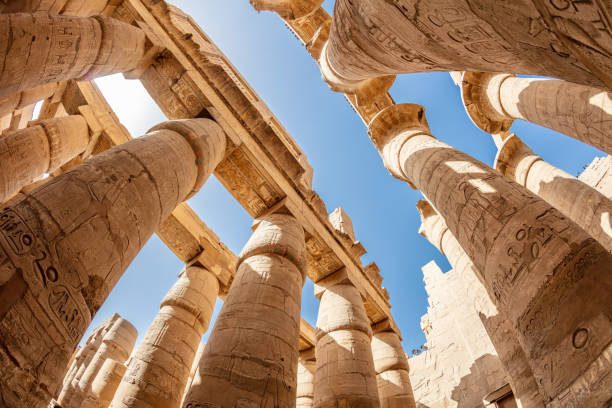
Modern-day Luxor is often called the world’s greatest open-air museum, and for good reason. Ancient Thebes was once the capital of Egypt during the New Kingdom and remains one of the country’s most spectacular archaeological treasures.
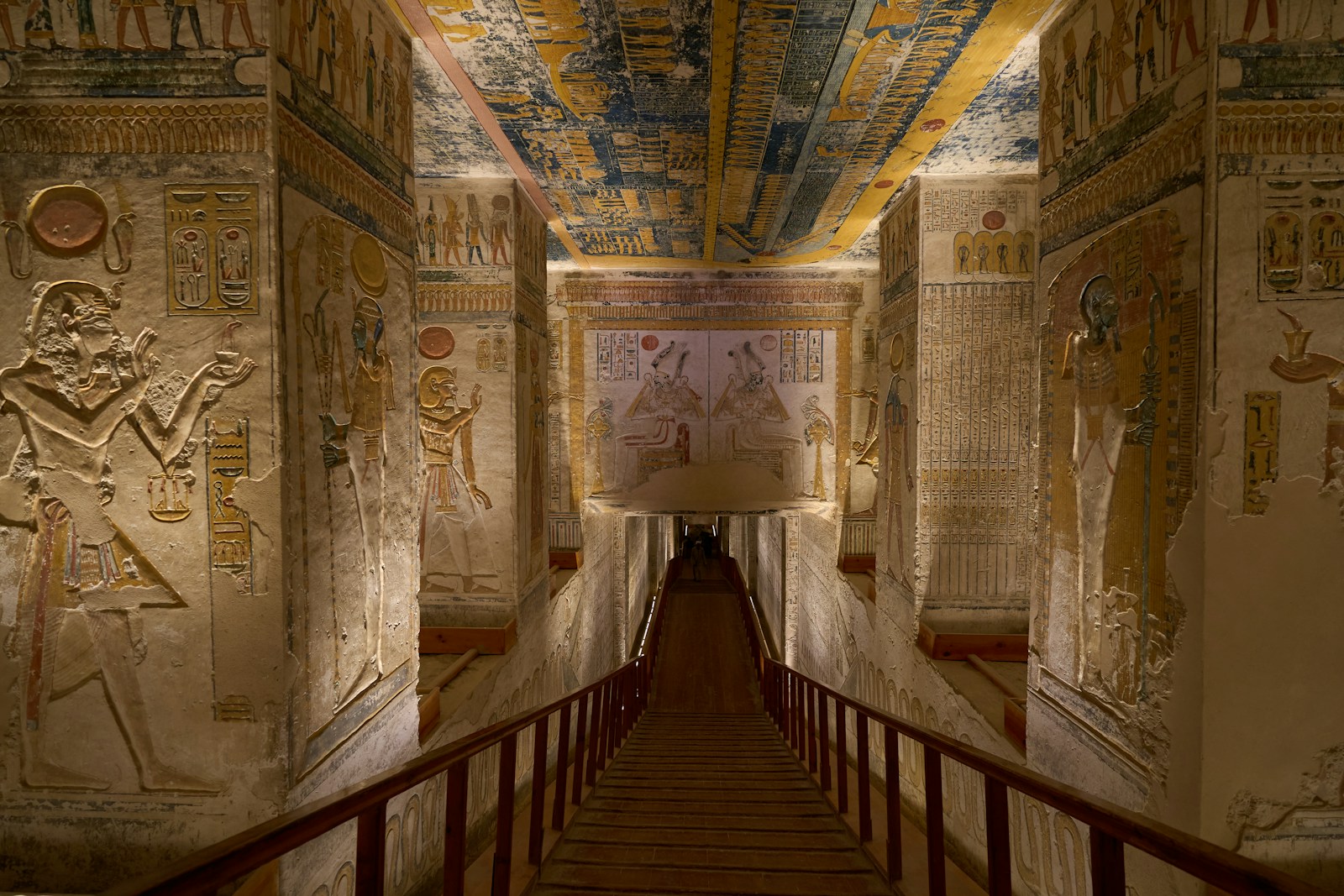
The UNESCO site encompasses both the East and West Banks of the Nile. Visitors can explore the magnificent Temple of Karnak and Luxor Temple before crossing the river to discover the Valley of the Kings, the burial place of Egypt’s pharaohs, including Tutankhamun. The Temple of Queen Hatshepsut and the Colossi of Memnon further showcase the grandeur of ancient Egyptian civilization.
Highlights:
- Karnak Temple Complex
- Luxor Temple
- Valley of the Kings
- Temple of Hatshepsut
- Colossi of Memnon
3. Historic Cairo
Historic Cairo offers a fascinating glimpse into Egypt’s Islamic, Christian, and medieval heritage. Founded in the 10th century, it is one of the oldest Islamic cities in the world and boasts an extraordinary collection of mosques, madrasas, churches, and bustling markets.
Visitors can wander through the historic streets of Al-Muizz, explore the vibrant Khan El Khalili Bazaar, admire the stunning architecture of the Sultan Hassan Mosque, and discover the rich history of Coptic Cairo and the Hanging Church.
Highlights:
- Al-Muizz Street
- Khan El Khalili Bazaar
- Sultan Hassan Mosque
- The Hanging Church
- Medieval Islamic architecture
4. Abu Mena
Located southwest of Alexandria, Abu Mena was once one of the most important Christian pilgrimage centers in the ancient world. Although currently listed as a UNESCO World Heritage Site in Danger due to rising groundwater levels, its historical significance remains extraordinary.
The site contains the remains of churches, monasteries, public buildings, and pilgrimage facilities dating back to the early centuries of Christianity. Abu Mena provides valuable insight into Egypt’s diverse religious heritage and its role in early Christian history.
5. Nubian Monuments from Abu Simbel to Philae
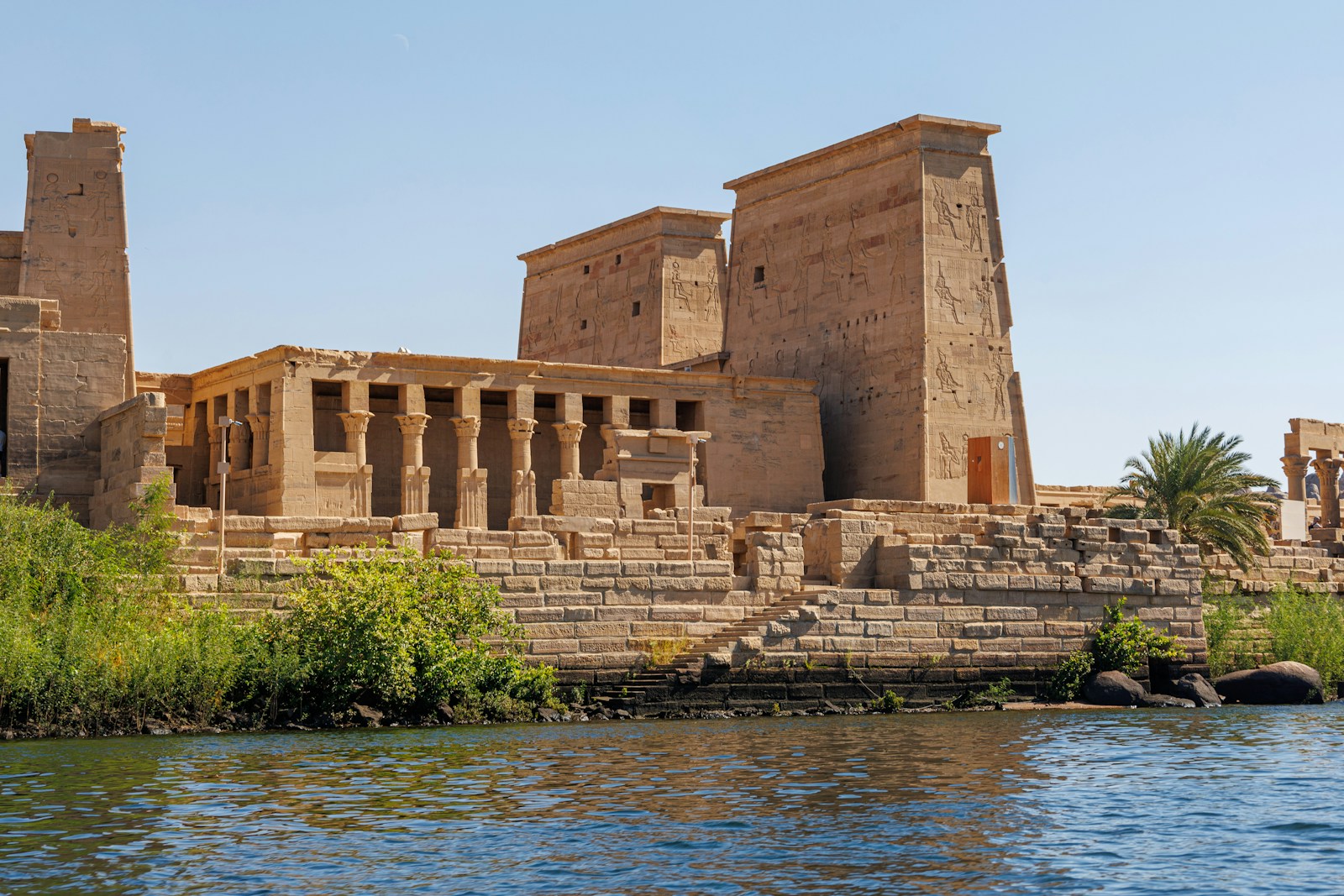
The magnificent temples of Abu Simbel and Philae stand as remarkable achievements of both ancient Egyptian civilization and modern preservation efforts. When the construction of the Aswan High Dam threatened to submerge these monuments, an international UNESCO-led campaign successfully relocated the temples stone by stone to higher ground.
The colossal statues of Ramses II at Abu Simbel continue to awe visitors, while the beautifully preserved Temple of Isis at Philae offers one of Egypt’s most picturesque settings on the Nile.
Highlights:
- Abu Simbel Temples
- Philae Temple
- The UNESCO temple relocation project
- Lake Nasser’s stunning landscapes
6. Saint Catherine Area
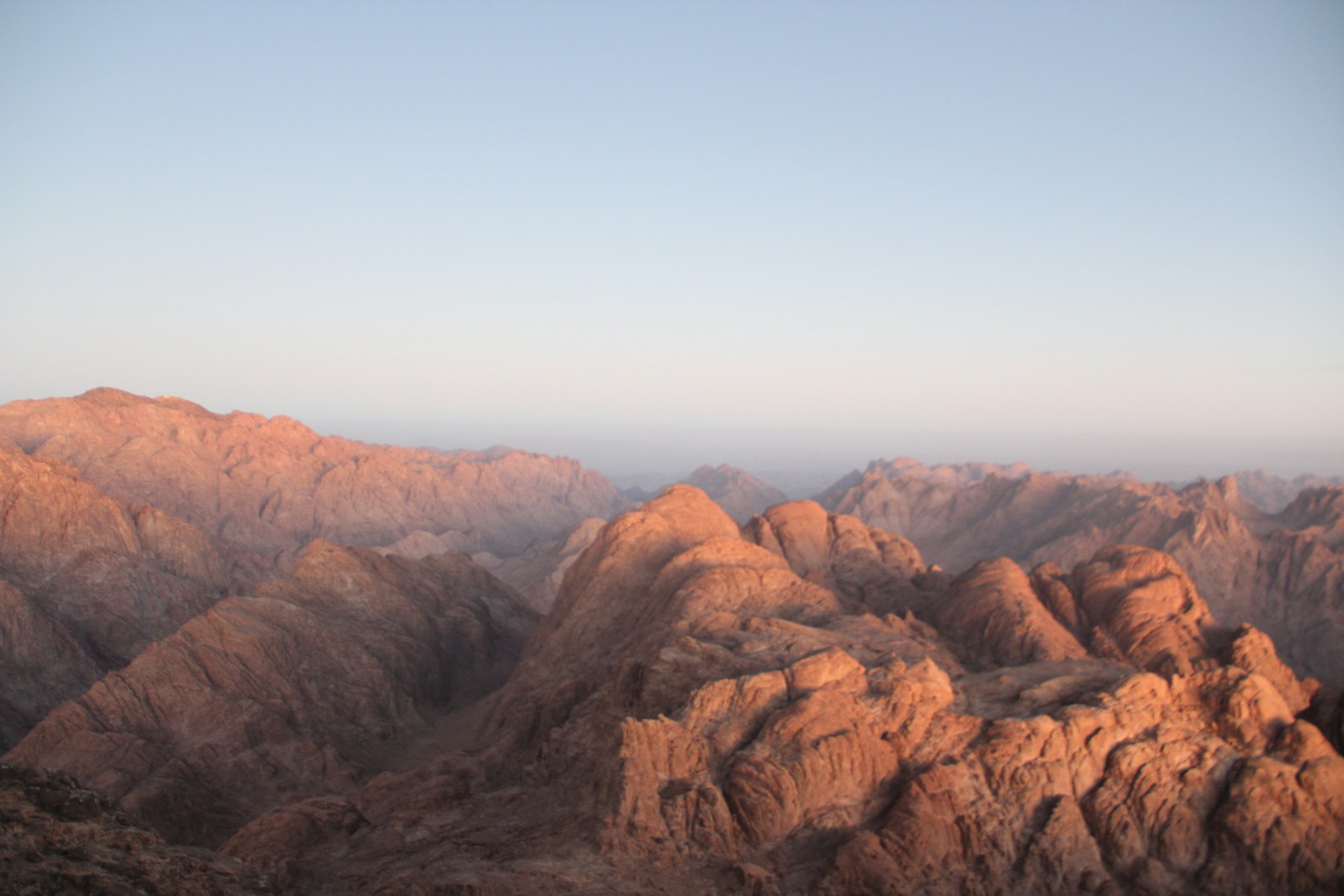
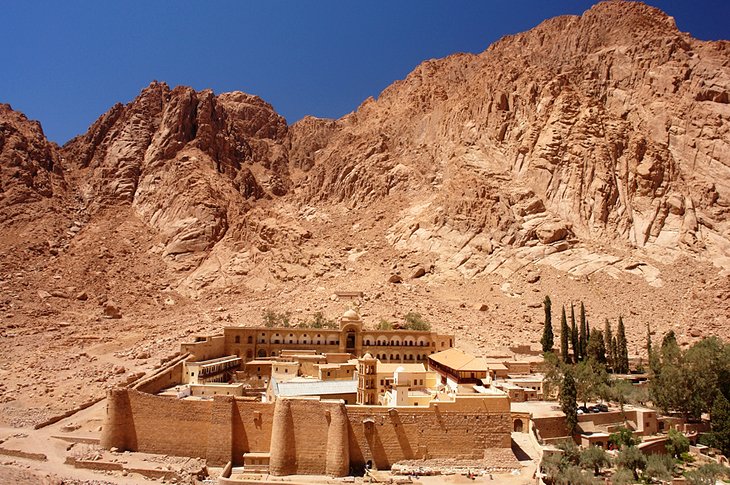
Nestled at the foot of Mount Sinai, the Saint Catherine Area combines breathtaking natural beauty with profound religious significance. Home to Saint Catherine’s Monastery—one of the world’s oldest continuously operating Christian monasteries—the site holds immense importance for Judaism, Christianity, and Islam.
Many visitors choose to hike Mount Sinai before sunrise, where panoramic views across the Sinai Peninsula create an unforgettable experience. The monastery itself houses priceless manuscripts, ancient icons, and sacred relics that have been preserved for centuries.
Highlights:
- Saint Catherine’s Monastery
- Mount Sinai sunrise hikes
- Ancient religious manuscripts
- Sinai’s dramatic mountain landscapes
7. Wadi Al-Hitan (Whale Valley)
Located in Egypt’s Fayoum Oasis, Wadi Al-Hitan is Egypt’s only natural UNESCO World Heritage Site. This extraordinary desert landscape contains some of the world’s most important fossil discoveries, including the complete skeletons of prehistoric whales dating back approximately 40 million years.
These fossils provide compelling evidence of one of evolution’s most fascinating transitions—the transformation of whales from land-dwelling mammals to marine creatures. Walking among these ancient remains offers visitors a truly unique perspective on Earth’s natural history.
Highlights:
- Forty-million-year-old whale fossils
- Desert hiking trails
- The fossil and climate change museum
- Stunning desert landscapes
Why Visit Egypt's UNESCO World Heritage Sites?
Egypt’s UNESCO World Heritage Sites offer far more than ancient monuments. They tell the story of human civilization across thousands of years—from the rise of the pharaohs and early Christianity to Islamic culture and prehistoric marine life.
Whether you’re cruising along the Nile, wandering through Cairo’s medieval streets, or standing before the towering statues of Abu Simbel, each UNESCO site provides an extraordinary opportunity to experience Egypt’s remarkable cultural and natural heritage.
If you’re planning a trip to Egypt, including several of these UNESCO sites in your itinerary is one of the best ways to discover why Egypt remains one of the world’s most captivating destinations.